Bringing corals from the Reef to spawn at AIMS
Coral ‘broodstock’ is the term we use to describe the adult coral colonies that spawn every year in the National Sea Simulator (SeaSim). Their arrival [Devamı]
Coral ‘broodstock’ is the term we use to describe the adult coral colonies that spawn every year in the National Sea Simulator (SeaSim). Their arrival [Devamı]
Coral spawning nights are some of the most high-energy events at AIMS 🪸🚨🔬 The National Sea Simulator (SeaSim) is bathed with the glow of red [Devamı]
✅ 12 days on sea Country ✅ 13 Indigenous Rangers and 4 AIMS crew ✅ 60 BRUVS deployments (30 on coral reefs, 30 among mangroves) [Devamı]
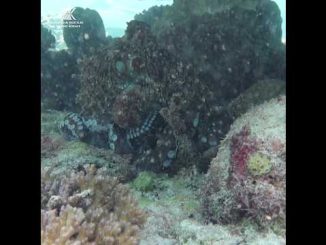
What has… 3 hearts 🫀🫀🫀 Blue blood 🩵 A beak 🔠1 central brain 🧠but… 8 “mini brains” 🧠🧠🧠🧠🧠🧠🧠🧠one in each arm 💪💪💪💪💪💪💪💪 [Devamı]
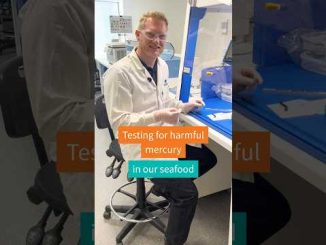
Did you know mercury in ocean sediments can enter the food web, building to harmful levels in marine wildlife and our seafood? AIMS is testing [Devamı]

How can a coral skeleton tell us what the weather was like hundreds of years ago? Grace Frank looks after AIMS’ coral core archives – [Devamı]

What do we know about how corals grow at different temperatures on the Great Barrier Reef? More than ever before, thanks to research made possible [Devamı]

How do you collect microplastics hundreds of metres below the ocean surface? It’s tricky – which is why a lot of marine microplastics research to [Devamı]
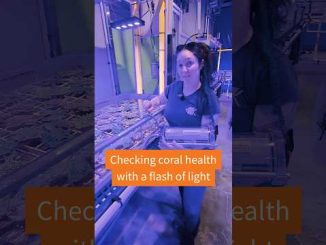
Can you tell how healthy a coral is? One way is to see how well they photosynthesise (yes – corals are solar-powered, thanks to algae [Devamı]
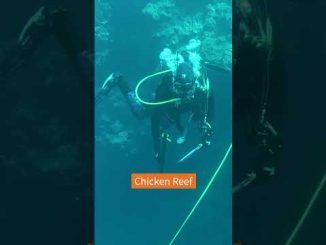
And that’s it for the 2025/26 season! Fieldwork is complete for our Long-Term Monitoring Program (LTMP) on the Great Barrier Reef. The final reef has [Devamı]
Telif hakkı © 2026 | MH Themes tarafından WordPress teması