
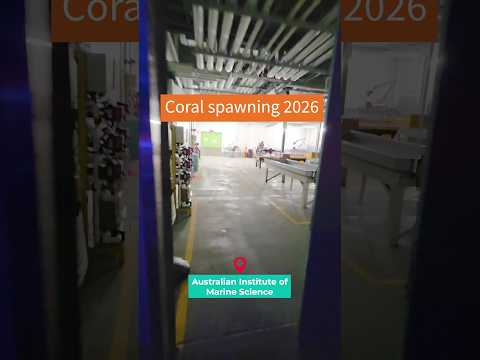
Coral spawning nights are some of the most high-energy events at AIMS 🪸🚨🔬
The National Sea Simulator (SeaSim) is bathed with the glow of red head torches (corals will hold off spawning under white light), and nocturnal researchers prepare to scoop up the coral gametes – or egg and sperm bundles.
Fertilised on the night, these will then develop into free-swimming coral larvae. Eventually they settle on specially prepared surfaces, transforming into single baby coral polyps which will be reared in our aquaculture tanks.
But why do we go to all this effort every year? Understanding this natural phenomenon is hugely important to marine science – it’s the Great Barrier Reef’s best way to replenish and recover.
The corals spawning at SeaSim on these very specific nights (following the full moons between late October and early December) are the basis of critical reef research. Different species are brough in and isolated for different projects.
The questions we’re seeking to answer include:
✅ Can we help corals adapt to climate change?
✅ How can we develop the best techniques for successful coral aquaculture?
✅ What will give our young corals the best chance of survival back on the Reef?
✅ If disaster strikes, can we ready the tools to restore our reefs?
Want to learn more? Here’s a handy guide to all the coral research happening at AIMS this spawning season:
https://vist.ly/5rm5b
Learn more about corals:
https://vist.ly/5rm5e
