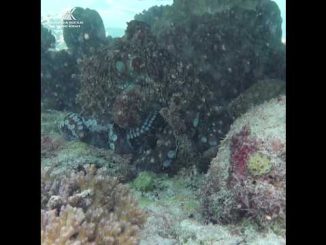
Octopuses we’ve spotted on the Great Barrier Reef
What has… 3 hearts 🫀🫀🫀 Blue blood 🩵 A beak 🔠1 central brain 🧠but… 8 “mini brains” 🧠🧠🧠🧠🧠🧠🧠🧠one in each arm 💪💪💪💪💪💪💪💪 [Devamı]

What has… 3 hearts 🫀🫀🫀 Blue blood 🩵 A beak 🔠1 central brain 🧠but… 8 “mini brains” 🧠🧠🧠🧠🧠🧠🧠🧠one in each arm 💪💪💪💪💪💪💪💪 [Devamı]
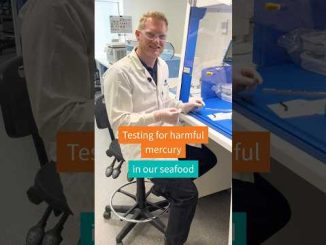
Did you know mercury in ocean sediments can enter the food web, building to harmful levels in marine wildlife and our seafood? AIMS is testing [Devamı]

How can a coral skeleton tell us what the weather was like hundreds of years ago? Grace Frank looks after AIMS’ coral core archives – [Devamı]

What do we know about how corals grow at different temperatures on the Great Barrier Reef? More than ever before, thanks to research made possible [Devamı]

How do you collect microplastics hundreds of metres below the ocean surface? It’s tricky – which is why a lot of marine microplastics research to [Devamı]
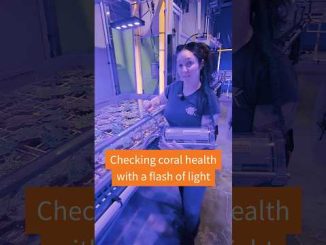
Can you tell how healthy a coral is? One way is to see how well they photosynthesise (yes – corals are solar-powered, thanks to algae [Devamı]
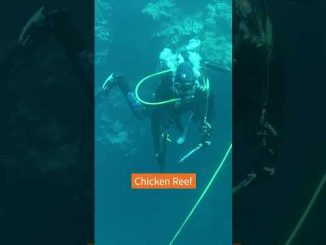
And that’s it for the 2025/26 season! Fieldwork is complete for our Long-Term Monitoring Program (LTMP) on the Great Barrier Reef. The final reef has [Devamı]
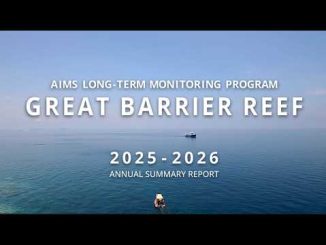
For 40 years, AIMS’ Long-Term Monitoring Program has been collecting data across the Reef in a robust and repeatable way. Our annual reports are an [Devamı]
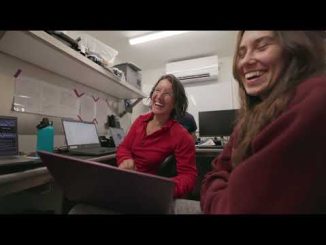
The EcoRRAP R&D subprogram was part of the Reef Restoration and Adaptation’s first R&D phase. It aimed to fill key knowledge gaps essential for the [Devamı]
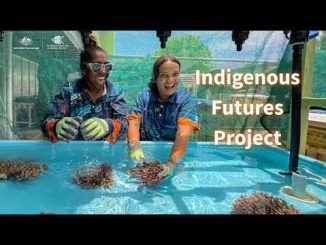
The Indigenous Futures project is training Indigenous Rangers in the latest coral reef restoration methods. Participants will be well prepared to support the reef restoration [Devamı]
Telif hakkı © 2026 | MH Themes tarafından WordPress teması