
NAMMA: Supporting Traditional Owners to help monitor sea Country
The Northern Australian Marine Monitoring Alliance (NAMMA) connects AIMS scientists with Traditional Owners to help monitor sea Country. This is a powerful way to bring [Devamı]

The Northern Australian Marine Monitoring Alliance (NAMMA) connects AIMS scientists with Traditional Owners to help monitor sea Country. This is a powerful way to bring [Devamı]
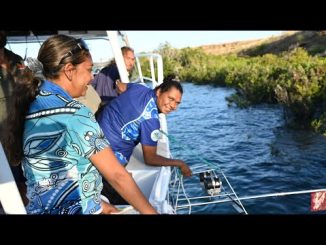
The Northern Australian Marine Monitoring Alliance (NAMMA) connects AIMS scientists with Traditional Owners to help monitor sea Country. This is a powerful way to bring [Devamı]
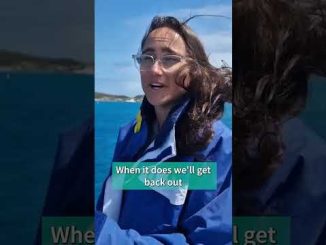
🤿☀️🟠It’s not always science in the sun for our Long-term Monitoring team on the Great Barrier Reef. Sometimes bad weather makes it unsafe to [Devamı]
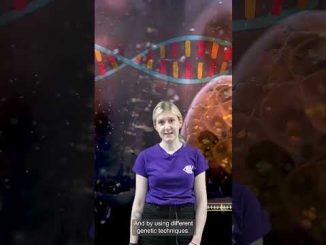
To help corals survive warming temperatures, we are investigating new ideas 🔬 For example, introducing beneficial bacteria that are naturally found inside corals and help [Devamı]
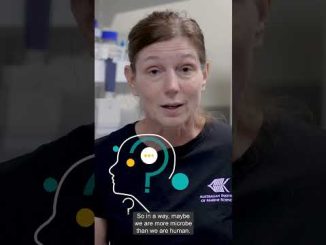
There are few animals that seem more different than corals and humans. But we have at least one important thing in common: our reliance on [Devamı]

Coral reefs are famous for their biodiversity. But do you ever think about the life we can’t see? 🦠🪸 Thousands of different types of tiny [Devamı]
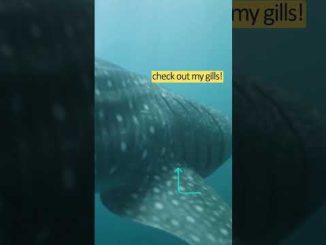
Enter: the world’s biggest fish. Here’s five things to need to know this International Whale Shark Day: 🦈They are sharks, not whales. ðŸ¦ðŸ¥¬They are the [Devamı]
Every year for the last 39 years, our scientists have monitored the status of the Great Barrier Reef. A key metric of this is percentage [Devamı]
A communication journey across generations for Traditional Owners in Bardi Jawi sea Country.
Dive into the monitoring partnership for looking after Bardi Jawi sea Country
Telif hakkı © 2026 | MH Themes tarafından WordPress teması